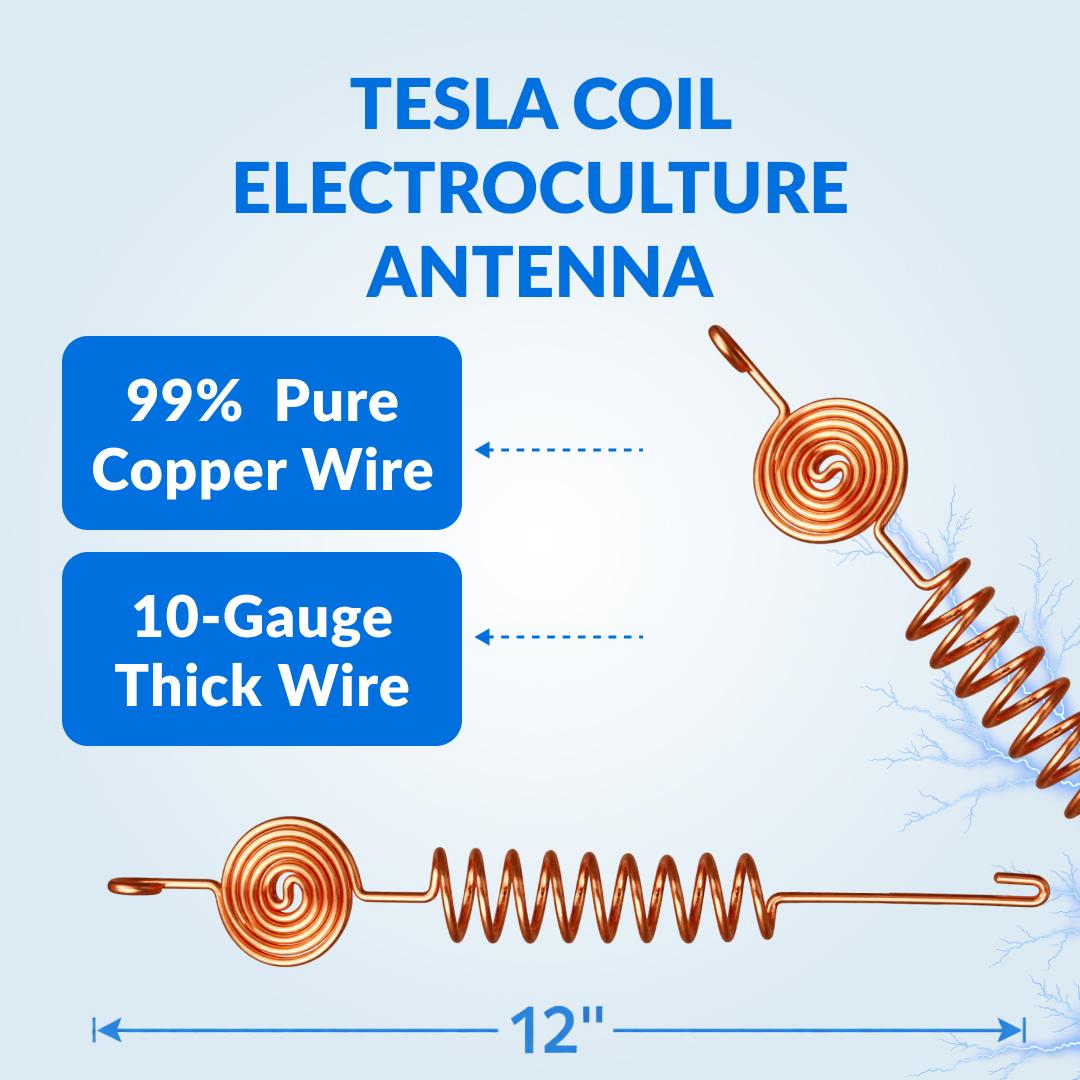
Electroculture, the unusual method , indicates that crops can benefit when exposed to low-voltage electric fields . Advocates of electroculture believe that this slight jolt promotes water assimilation, causing to quicker development and potentially bigger harvests . While mainstream evidence has been limited , numerous experimenters share astounding outcomes in their personal patches , inspiring additional study of this alternative system to farming and produce cultivation.
The Beginner's Guide to Electroculture Gardening
Curious to try a innovative gardening technique ? Electrical gardening is harnessing electrical energies to improve plant yield. The process sounds futuristic, but the core principles are surprisingly straightforward to understand . Typically, it includes creating some grid of conductive wire around your seedlings , potentially connected to a small energy source. While definitive proof is available limited, many gardeners experience significant benefits in plant health and harvest. Let’s briefly cover the fundamentals in following sections.
Does Bio-Electrical Agriculture Truly Operate? Separating Truth and Fiction
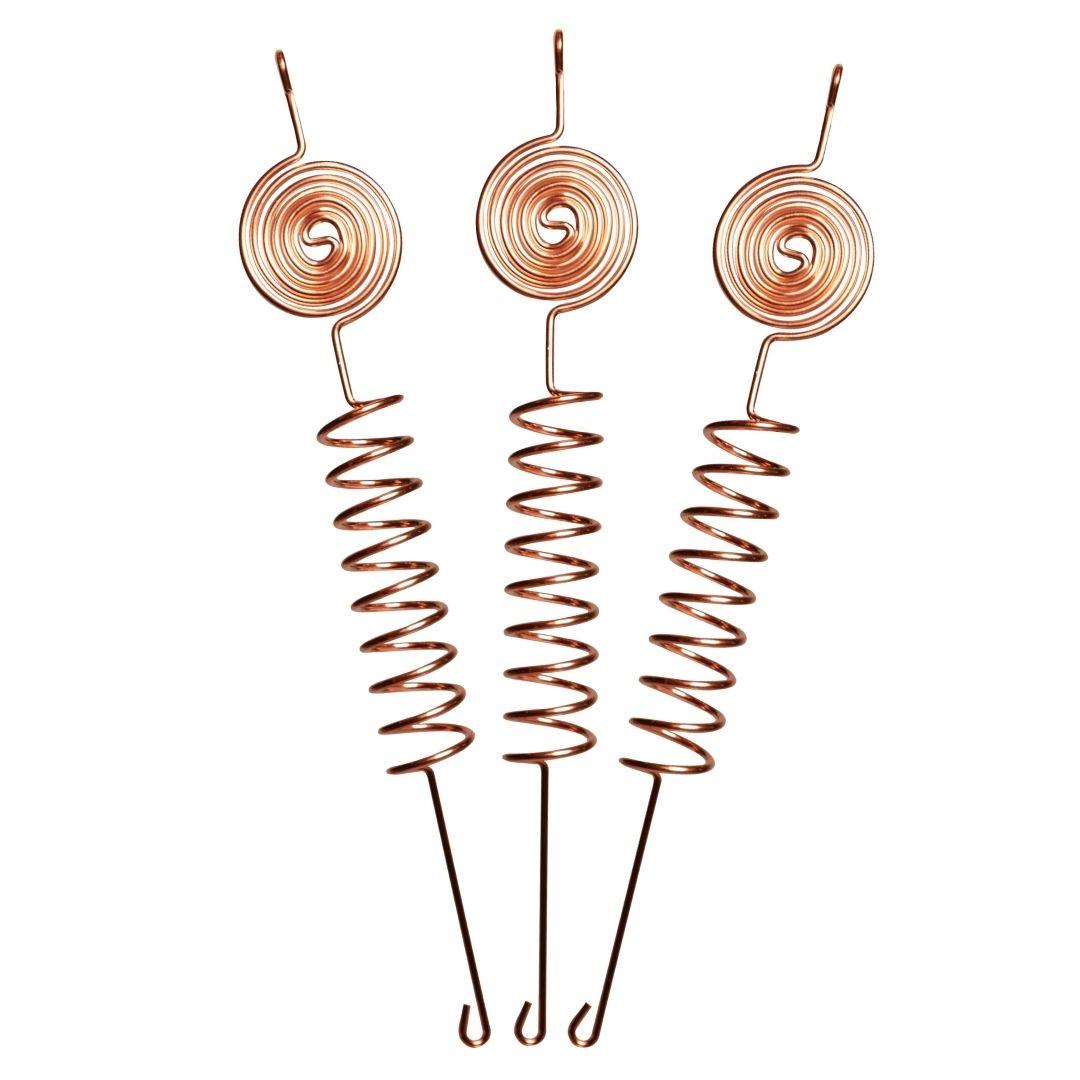
Electroculture, a technique utilizing low-voltage power to boost vegetation production, sparked more info significant buzz online. However, it's vital to carefully assess the claims and distinguish valid results from unsubstantiated hype. Although some early tests seem to demonstrate improved yields, the empirical basis stays primarily obscure. Several reportedly triumphs may be attributed to hidden influences, such as the ground, hydration, or straightforward coincidence. More rigorous investigation and peer-reviewed validation are required to establish whether electroculture involves a reliable agricultural technique.
Setting up Your Own Electrical Garden: A Detailed Guide
Embarking on the intriguing world of electroculture can seem daunting, but creating your personal electroculture garden is surprisingly achievable with a few basic steps. First, obtain your materials: a pot , copper strips, zinc plate , water, and a electricity – a small battery or self-made cell can function . Then , place the copper and zinc around the water inside the container, ensuring they don't touch. The energetic field produced between these metals is thought to promote plant vitality. Finally, monitor your plants and modify the system as needed – electroculture is as much about experimentation as it is about following instructions .
Electrical Gardening vs. Conventional Horticulture : What is The Distinction?
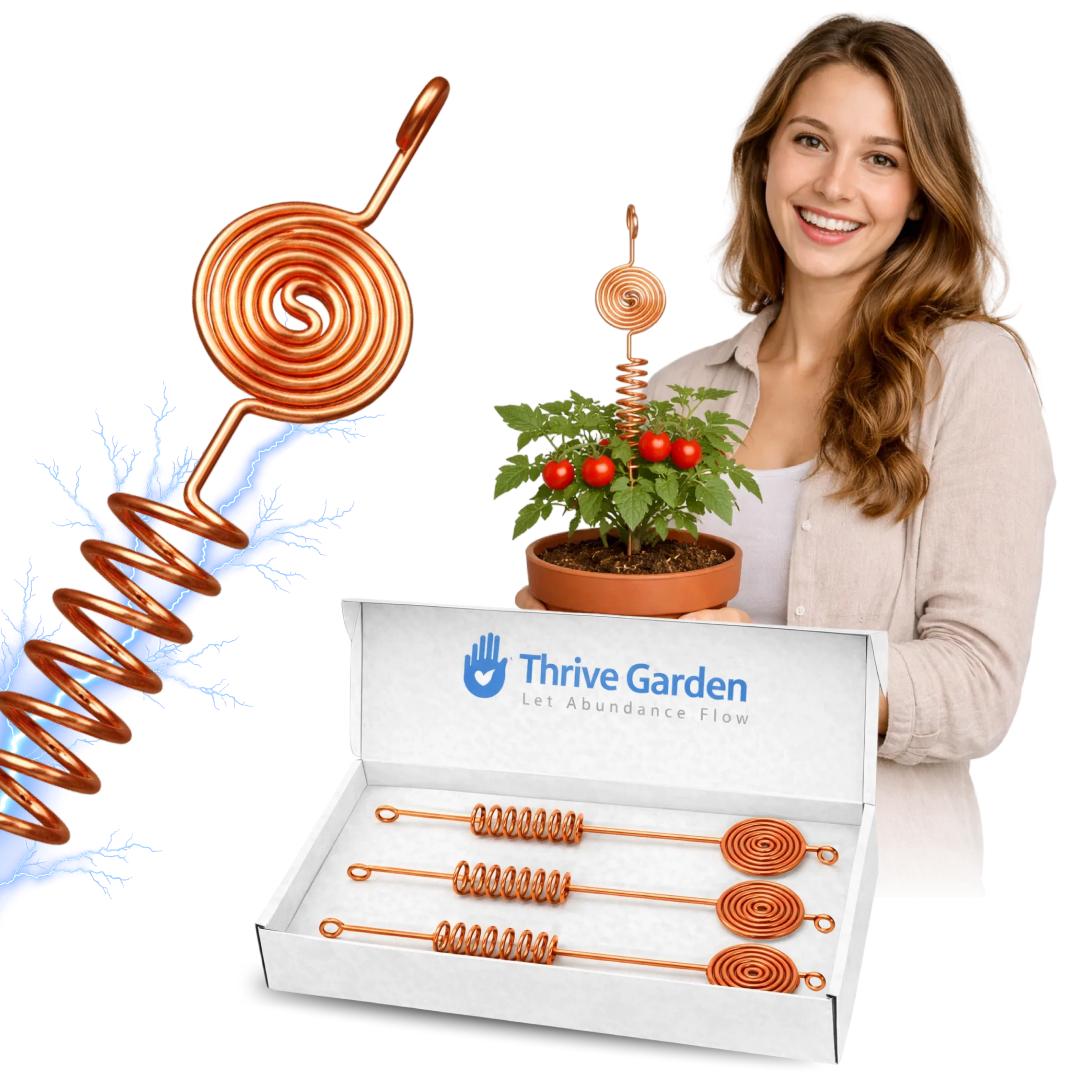
Numerous horticulturists are exploring bio-electrical farming as an method to standard horticulture . While both seek to cultivate vibrant plants , they depend on drastically contrasting approaches . Traditional gardening relies on soil nutrients , light , and hydration, often with extra fertilizers . In contrast , electroculture utilizes a low current to energize vegetation development , possibly minimizing the requirement on ground and standard enhancements. Ultimately , electrical gardening represents a fairly new field in agriculture possessing distinct opportunities.
Boosting Plant Growth with Electroculture: Potential & Practicalities
Electroculture, a debated method proposing plant development through electrical fields , has ignited considerable interest amongst cultivators . Early observations claimed astounding improvements in harvest and general plant health . While the exact mechanism stays unclear , some hypotheses point to improved water uptake and nutrient access within the earth . Practical uses can range from basic DIY setups using copper and zinc terminals to more sophisticated systems . However, it’s crucial to approach electroculture with caution , acknowledging the scant peer-reviewed rigorous proof and potential risks associated with faulty implementation. Further study is necessary to entirely understand the chance and drawbacks of this captivating technique to horticulture .
- Potential benefits include increased yield and improved plant health.
- Consider the need for further research and scientific validation.
- Practical applications range from simple DIY systems to complex configurations.